
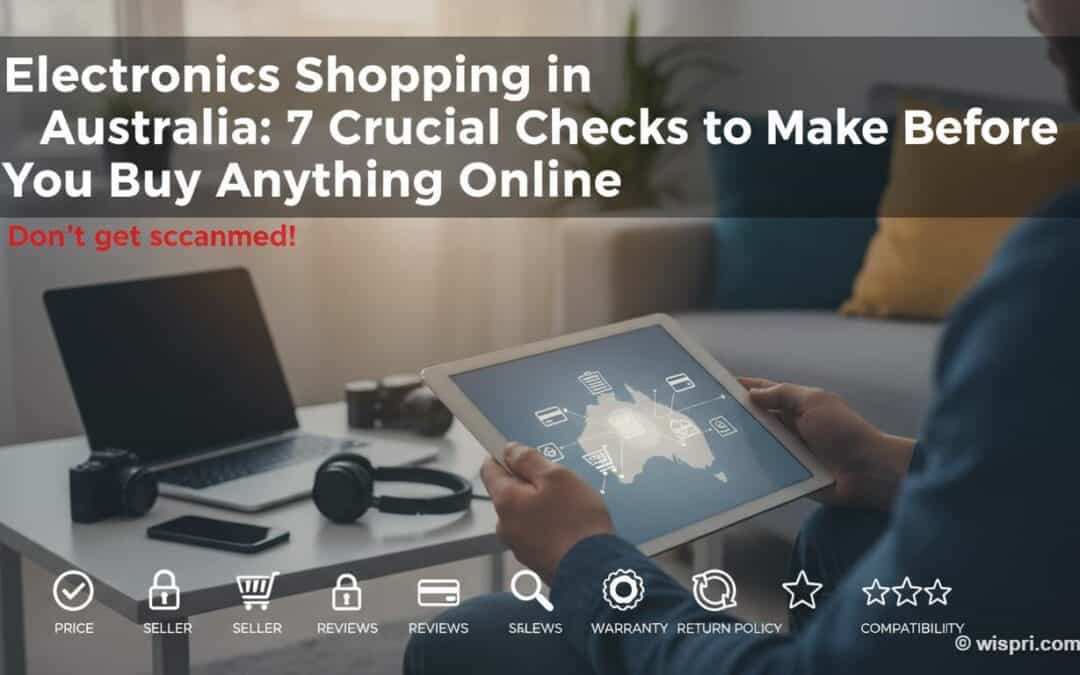
Australia’s online electronics market is booming, offering an incredible array of gadgets, appliances, and tech at your fingertips. The convenience, vast selection, and competitive pricing make it an appealing option for many. However, with the boundless opportunities also come potential pitfalls. From dodgy sellers to misleading product descriptions and warranty woes, navigating the digital aisles requires a sharp eye and a strategic approach. This guide is your essential toolkit, outlining seven crucial checks every Aussie shopper should make before clicking ‘buy now’ to ensure a smooth, secure, and satisfying online electronics purchase.
By understanding your rights and responsibilities, knowing what to look for, and utilising smart shopping tools, you can confidently snatch up those great deals without falling victim to common traps. Let’s dive in.
The Digital Frontier: Why Online Electronics Shopping is a Game-Changer (and a Minefield)

The Australian consumer electronics industry reached an impressive $5.3 billion in revenue in 2023, showcasing a robust compound annual growth rate of 15.7% over the past five years. This growth is largely driven by the undeniable advantages of online shopping: unparalleled convenience, a broader product range than most physical stores, and often more competitive prices. Whether you’re after the latest smartphone, a powerful gaming PC, or smart home devices, the internet offers a world of choice.
Yet, the digital landscape is also riddled with potential hazards. Faulty products, non-existent customer service, and outright scams can turn an exciting purchase into a frustrating nightmare. Without the ability to physically inspect an item or directly speak to a salesperson, online shoppers must rely on digital cues and diligent research. That’s where these seven checks become invaluable.
7 Crucial Checks to Make Before You Click ‘Buy Now’

Check 1: Is the Seller Reputable and Australian-Based?
One of the most fundamental steps in online shopping is verifying the legitimacy and location of the seller. Opting for an Australian-based business significantly enhances your consumer protection. Businesses operating within Australia are bound by the Australian Consumer Law (ACL), which provides robust guarantees for goods and services.
- Look for an ABN: A legitimate Australian business will typically display its Australian Business Number (ABN) on its website, often in the footer, terms and conditions, or contact page. You can verify this ABN on the Australian Business Register.
- Check Contact Information: Reputable sellers will provide clear contact details, including a physical address and a phone number. If the only way to contact them is via an online form, consider it a red flag.
- Research Their Reputation: Don’t rely solely on reviews on the seller’s website. Search for independent reviews on platforms like ProductReview.com.au, Google, and even local forums like Whirlpool. Look for consistent patterns in feedback, both positive and negative. Be wary if a website appears poorly designed or if products are advertised at unbelievably low prices – if it seems too good to be true, it probably is.
Key Takeaway: Prioritising Australian-based sellers with transparent contact details and a strong, independently verified reputation is your first line of defence against online shopping woes.
Check 2: Understand the Warranty and Returns Policy (Australian Consumer Law is Your Friend)
The Australian Consumer Law (ACL) provides automatic consumer guarantees that goods must be of acceptable quality, fit for purpose, and match their description, among other things. These guarantees apply regardless of any warranty offered by the business or manufacturer, and they cannot be excluded or limited.
- Consumer Guarantees vs. Warranties: Understand that consumer guarantees are separate from, and often last longer than, voluntary, manufacturer, or extended warranties. Even if a product’s warranty has expired, you may still have rights under the ACL if the product fails prematurely given its nature and price.
- Returns Policy: Carefully read the seller’s returns policy. What are the timeframes for returns? What condition must the item be in? Who pays for return shipping if the item is faulty? Be aware that “no refunds” signs are illegal if a product has a major fault. For major failures, you are entitled to a repair, replacement, or refund. For minor failures, the seller can choose to repair, replace, or refund within a reasonable timeframe.
- Spare Parts and Repairs: Manufacturers or importers must provide spare parts and repair facilities for a reasonable time after purchase.
Check 3: Price Comparison and Tracking – Are You Really Getting a Deal?
The internet makes price comparison easier than ever, but it also means prices can fluctuate wildly. Don’t assume the first price you see is the best. Always compare across multiple retailers, including both online stores and traditional brick-and-mortar shops.
This is where smart tools become indispensable. Wispri is Australia’s go-to tool for smart shoppers looking to track price drops across popular online stores like Amazon, Woolworths, JB Hi-Fi, and more. Created by a small team of tech enthusiasts, Wispri was designed to cut through the noise and make deal hunting effortless. Just paste your favourite product link, and Wispri will monitor it for you—sending instant alerts when prices fall. Whether you’re shopping for electronics, groceries, or fashion, Wispri helps you save time and money with real-time price tracking. It’s simple, free, and built to help Australians shop smarter every day.
Other Australian price comparison sites like CompareMates, staticICE, PriceMe, and Getprice can also help you find competitive deals on electronics. Be vigilant about “fake discounts” where original prices are inflated to make a sale seem more appealing.
Check 4: Product Authenticity and Specifications – Is it the Real Deal?
When buying electronics online, especially from less familiar sellers, verifying the product’s authenticity and ensuring its specifications match your needs is critical. This is particularly important when dealing with “grey imports.”
- Beware of Grey Imports (Parallel Imports): These are genuine products brought into Australia through unofficial distribution channels. While not illegal, they come with significant risks. Manufacturers and their authorised local sellers are often not obligated to honour warranties or provide support/spare parts for grey imports. Products may not be designed for Australian conditions, potentially having different power plugs, voltage requirements, or region-locked software. If you purchase a grey import from an Australian seller, they are still responsible for consumer guarantees under the ACL, but getting a remedy might be a more complex process if they have to send the item overseas for repair.
- Verify Model Numbers and Specs: Cross-reference the model number on the product page with the manufacturer’s official website. Look closely at detailed specifications, not just images, to ensure it’s the exact version you expect.
- Australian Standards: For electrical products, ensure they comply with Australian safety and labelling standards.
Check 5: Shipping Costs, Delivery Times, and Insurance
Hidden costs and unclear delivery expectations can quickly sour an otherwise good deal. Before finalising your purchase, scrutinise all aspects of shipping.
- Total Cost: Always calculate the total cost, including shipping fees. Some sellers offer low product prices but exorbitant shipping.
- Estimated Delivery: Check the estimated delivery timeframe. Is it acceptable for your needs? Factor in potential delays, especially for items coming from overseas.
- Tracking and Insurance: Does the seller provide tracking information? For high-value electronics, consider if shipping insurance is offered or required. What is the policy if the item is lost or damaged in transit?
- Delivery Method: Understand if a signature is required upon delivery or if they have “authority to leave” the package, which might increase risk.
Check 6: Payment Security and Data Protection
Protecting your financial and personal data is paramount when shopping online. Cybercriminals are always looking for vulnerabilities, so ensure the website employs robust security measures.
- Secure Connection: Always look for “https://” in the website address and a padlock icon in your browser’s URL bar. This indicates an SSL certificate, encrypting your data.
- Trusted Payment Gateways: Use secure and recognised payment methods like credit cards, debit cards, or PayPal. These often offer buyer protection and fraud monitoring. Many credit card providers offer built-in security features and protect against unauthorised transactions.
- Avoid Risky Payments: Never pay via direct bank transfers to unknown sellers or use methods like money orders or digital currencies with less buyer protection, as recovering funds can be extremely difficult if a scam occurs.
- Multi-Factor Authentication (MFA): Enable MFA where possible for your online shopping accounts, adding an extra layer of security.
- Privacy Policy: Review the seller’s privacy policy to understand how your personal data will be collected, stored, and used.
- Public Wi-Fi Warning: Avoid making financial transactions when connected to public Wi-Fi networks, as they can be insecure.
Check 7: Read Reviews (The Good, The Bad, and The Fake)
Online reviews are a powerful tool for informed decision-making, with 86% of consumers relying on them. However, the rise of fake reviews means you need to be discerning.
- Look Beyond Star Ratings: A perfect five-star rating can be a red flag. Real products and services rarely please everyone. Focus on the content of reviews to find specific, detailed feedback. Many consumers trust businesses with an average rating below 5 stars more, as it seems more realistic.
- Spotting Fake Reviews:
- Too good to be true: Overly enthusiastic or exaggerated language.
- Lack of detail: Generic phrases like “great product” without specific experiences.
- Suspicious timing: A sudden flurry of highly positive or negative reviews, or many reviews posted on the same day.
- New accounts/few reviews: Reviews from profiles with little to no history or who have reviewed an impossibly large number of dissimilar products.
- Repetitive language: Similar phrasing across multiple reviews, potentially from bots or paid writers.
- No negative reviews: Be wary if a product has no negative feedback at all, especially on a retailer’s own site where they might delete unfavourable comments.
- Cross-Reference: Compare reviews across different platforms (e.g., the seller’s website, Amazon, ProductReview.com.au, YouTube reviews) to get a balanced perspective.
- Verified Purchases: Look for “verified purchase” labels on platforms like Amazon, indicating the reviewer actually bought the product.
Beyond the Seven Checks: Empowering Your Online Shopping Journey

While these seven checks cover the most critical aspects, a general sense of caution and common sense will always serve you well. If a deal seems too good to be true, it likely is. Educate yourself about current online scams, and remember that consumer protection agencies like the ACCC are there to help if issues arise.
Building a habit of these smart shopping practices not only protects your wallet but also ensures you get the quality electronics you expect and deserve.
The Wispri Advantage: Your Smart Shopping Companion
In a marketplace brimming with fluctuating prices and limited-time offers, having a reliable tool to track deals is a significant advantage. Wispri simplifies this process, making it effortless to stay on top of price drops from major Australian retailers. It’s more than just a price tracker; it’s a dedicated companion for the savvy Australian shopper, ensuring you never miss out on a genuine bargain. By instantly alerting you when prices fall on your favourite electronics (and groceries or fashion!), Wispri empowers you to make informed decisions and save time and money. It’s simple, free, and built to help Australians shop smarter every day.
Conclusion
Online electronics shopping in Australia offers unparalleled convenience and choice, but successful navigation requires diligence. By making these seven crucial checks before every purchase – verifying the seller’s legitimacy, understanding your ACL rights, comparing prices intelligently with tools like Wispri, scrutinising product authenticity (especially for grey imports), reviewing shipping details, ensuring payment security, and critically evaluating online reviews – you empower yourself to make smarter, safer, and more satisfying purchasing decisions.
Don’t let the excitement of a new gadget overshadow the importance of due diligence. Shop smart, stay informed, and enjoy the best of Australia’s online electronics market. Happy shopping!
“`